


By Michael Lee
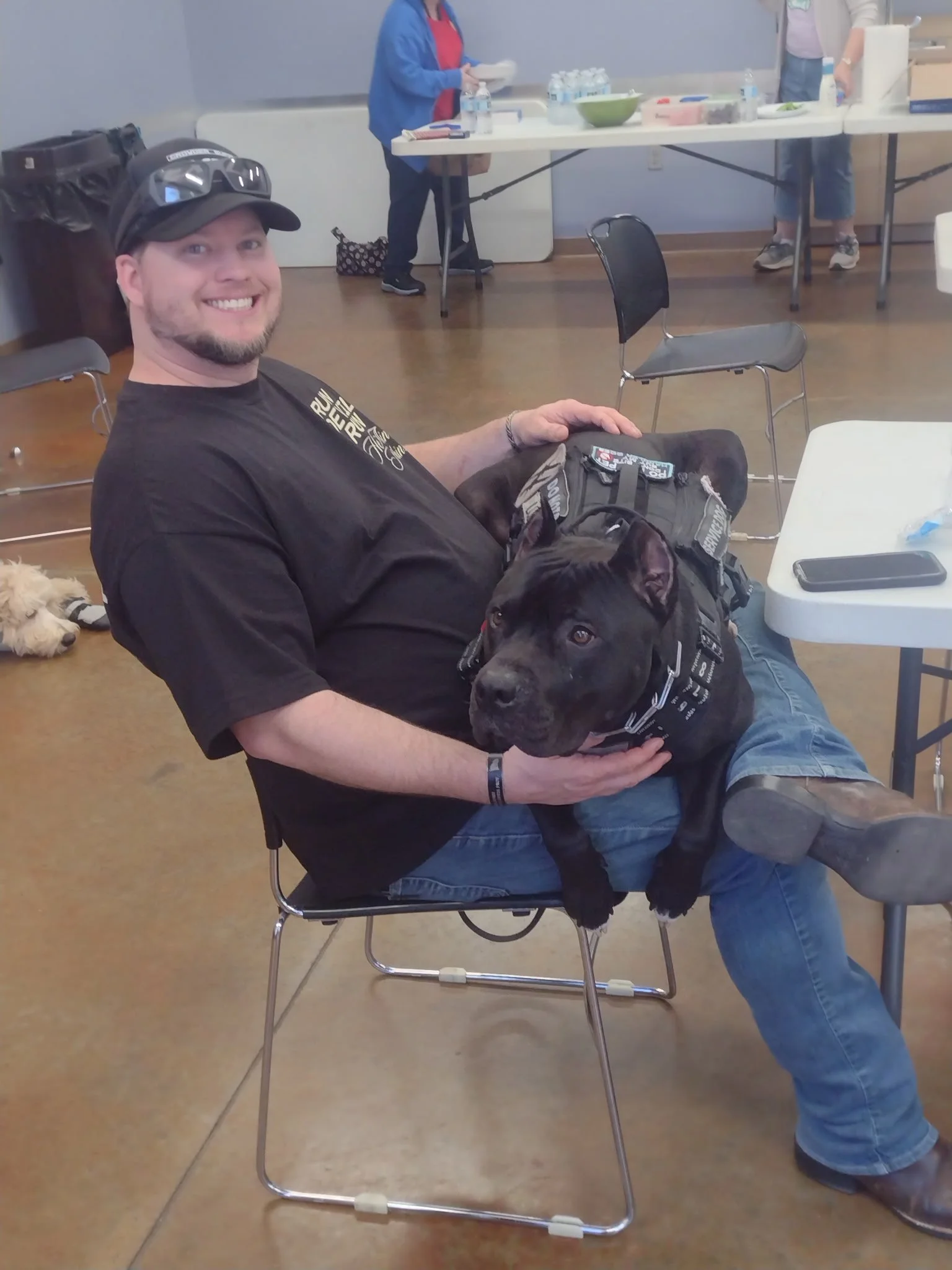
Walking into Cisco Live with Bob, my black Labrador Retriever and service dog, was one of the most intimidating things I’ve done in years.
Not because of the technology.
Not because of the crowds.
Not even because it was my first Cisco Live.
I was worried about trust.
At the time, I had only had Bob for about five months. He was just a year and a half old. Cisco Live would be his first flight, his first major conference, and one of the largest and most crowded environments either of us experienced together.
Before leaving for Las Vegas, I had a thousand concerns.
How would Bob handle the flight?
How would he react to thousands of people?
How would he manage being completely off his normal schedule?
What if he had an accident in the middle of the convention?
And if I'm being honest, I worried about something else too.
Would people see me differently because I had a service dog?
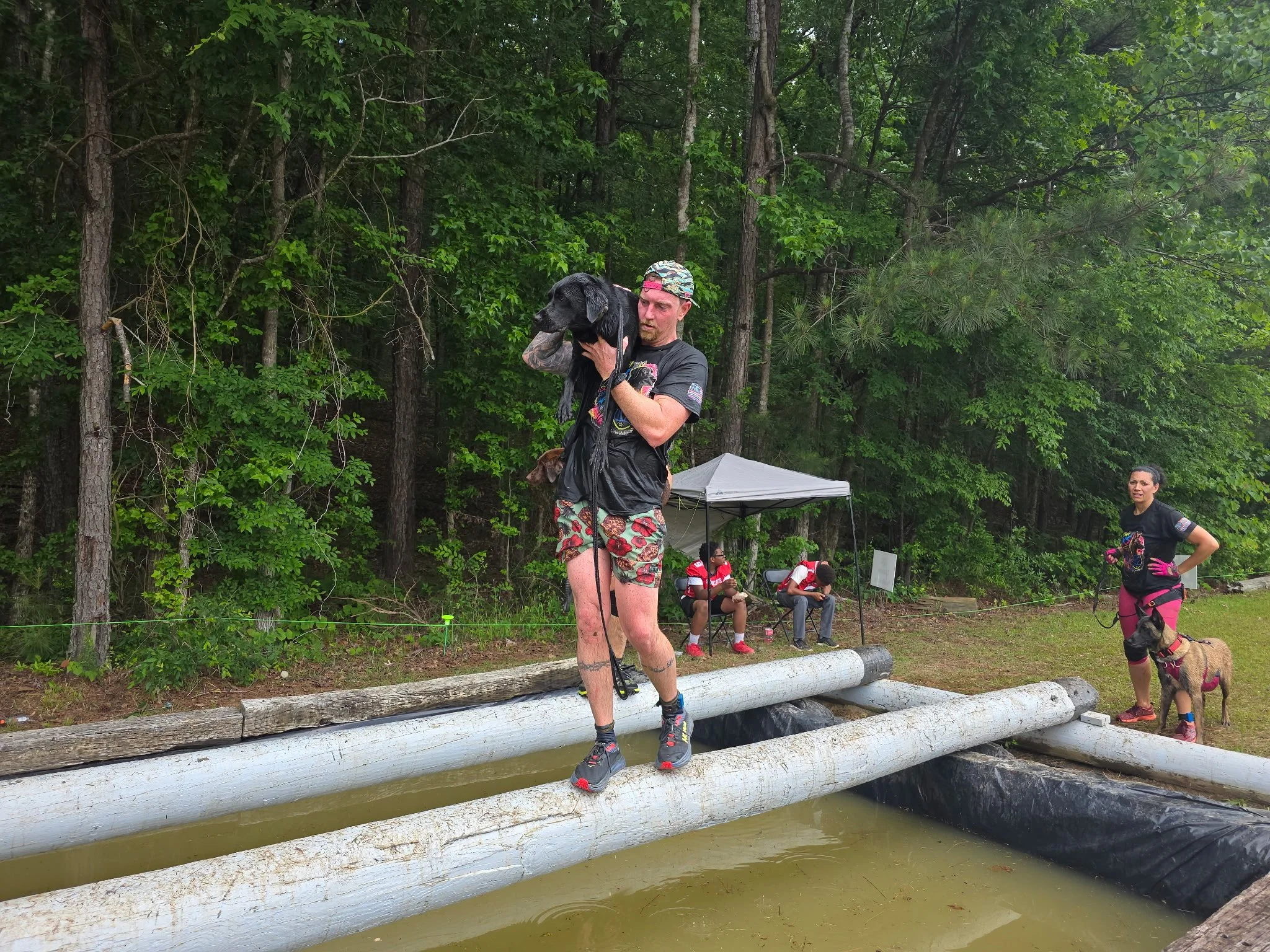
Like most service dogs, Bob thrives on routine. He knows my schedule and has adapted to it very well. Cisco Live was going to be anything but routine.
The more I thought about it, the more I realized I wasn't really worried about Bob. I was worried about trust.
I received Bob from Healing4Heroes, an organization that provides service dogs to veterans. Bob received extensive training before he was paired with me. I was failing to trust that training.
As someone who spent two decades in the military, I spent my life trusting the training I received. I trusted those above me and those below me as if my life depended on it. Many times, it did.
Yet in this new setting, I found myself struggling to trust the training and relationship Bob and I had built together.
The day finally came, and Bob and I headed to the airport. We moved through security without issue, and when we boarded the plane, he curled up beneath my seat just as we had practiced. Four hours later, we landed in Las Vegas with our first success behind us.
The next morning was our first day at Cisco Live.
After a long day of travel, we were both tired and adjusting to a new environment. Bob being off his regular schedule meant things were not as predictable as they were at home.
We hit the ground running, walking from booth to booth, meeting people, attending sessions, and experiencing everything Cisco Live had to offer.
But I kept watching the clock.
I worried about bathroom breaks, asking too much of him, and missing opportunities because I was focused on managing Bob.
At one point during the day, I stepped away and called my wife.
I told her about my frustrations and concerns.
I told her I wasn't sure if I was doing the right thing.
Then she said something that stopped me in my tracks.
"Bob is a part of you now. The two of you are a team."
It sounds simple, but it changed everything.
Up until that moment, I had viewed Bob as something I needed to manage.
He wasn't.
He was my teammate.
Teammates trust and look after each other.
One thing I learned in the military is that trust goes both ways.
I was asking Bob to trust me in an unfamiliar city, surrounded by thousands of people, doing things he had never done before.
I needed to trust him to do what he had been trained to do.
That mindset shift changed everything.
Bob wasn't taking away from the experience.
He was part of the experience.
Bob wasn't a burden.
He was part of my team.
And despite every fear I had before the trip, Bob never missed a beat.
Cisco Live is all about networking, learning, and building relationships.
One of my biggest fears was that people would see Bob and think less of me. I worried they would assume I couldn't handle things on my own and that was why I had a service dog.
The reality was exactly the opposite.
People loved Bob.
Throughout the week, countless people stopped to tell me how impressed they were with him. Some told me they had been watching him work from across the room. Others simply wanted to come over and meet him.
On more than one occasion, someone approached me and said, "I've been watching your service dog, and I just had to come talk to you."
Those conversations often led to discussions about Bob's story, our story, and eventually my own journey.
Many of those interactions turned into meaningful conversations and professional connections that may never have happened otherwise.
Ironically, the thing I feared would make me stand out in a negative way became one of the things that helped me connect with people the most.
Bob reminded me that authentic connections often begin when we're willing to be seen for who we truly are.
I would not have had this opportunity without NGT Academy, who flew me and several other students and staff members to Cisco Live. The experience allowed me to learn from industry leaders, build relationships with professionals, and gain a clearer vision of where I want my career to go.
At the same time, I am incredibly grateful to Healing4Heroes for pairing me with Bob and making experiences like this possible.
Both organizations invested in me and trusted me long before this trip happened.
The biggest lesson I brought home from Cisco Live wasn't technical.
It was about trust.
Trust in preparation.
Trust in training.
Trust in support systems.
Trust in stepping outside your comfort zone even when it feels difficult and uncomfortable.
Too often we think strength means doing everything on our own.
My experience taught me the opposite.
Sometimes strength comes from trusting the people, organizations, and partners who help move us forward.
On the flight home, I looked down at Bob and told him he deserved a steak dinner for all the hard work he had put in.
The next night, true to my word, he got one.
Cisco Live tested both of us.
His training was tested.
My trust was tested.
Bob passed with flying colors.
And somewhere between Atlanta, Las Vegas, and home again, I learned something I should have known all along:
Trust your teammate.